
 Do PV modules have anti-reflection coatings?These reflection losses can be addressed by the use of anti-reflection (AR) coatings, and currently around 90% of commercial PV modules are supplied with an AR coating applied to the cover glass , . The widespread use of AR coatings is a relatively recent development.
Do PV modules have a reflection loss?PV modules experience reflection losses of ∼4% at the front glass surface. This loss can be mitigated by the use of anti-reflection coatings, which now cover over 90% of commercial modules.
Does antireflective coating improve solar module efficiency?Abstract: Without antireflective coating, more than 4% of incident light is reflected from the standard front cover glass of photovoltaic (PV) modules. Module efficiency is one of the largest levers to impact the cost-per-watt of solar and recovering some of this reflected light with a simple anti-reflective coating (ARC) has become widespread.
Do solar panels have antireflection coatings?ABSTRACT The antireflection (AR) coating applied to solar glass in photovoltaic modules has remained largely unchanged for decades, despite its well-documented lack of durability. Traditional porou.
How long does a solar glass antireflection coating last?The antireflection (AR) coating applied to solar glass in photovoltaic modules has remained largely unchanged for decades, despite its well-documented lack of durability. Traditional porous structured single-layer AR coatings last as little as 5 years in the field.
Are solar module coatings hydrophilic?These coatings are also hydrophilic with high surface energy and greater adhesion to soiling. Multilayer coatings consisting of alternate layers of dielectric metal oxides such as ZrO 2 and SiO 2 are highlighted as potential alternatives to porous SiO 2. The development of an abrasion standard for solar module coatings is also discuss
Do PV modules have anti-reflection coatings?These reflection losses can be addressed by the use of anti-reflection (AR) coatings, and currently around 90% of commercial PV modules are supplied with an AR coating applied to the cover glass , . The widespread use of AR coatings is a relatively recent development.
Do PV modules have a reflection loss?PV modules experience reflection losses of ∼4% at the front glass surface. This loss can be mitigated by the use of anti-reflection coatings, which now cover over 90% of commercial modules.
Does antireflective coating improve solar module efficiency?Abstract: Without antireflective coating, more than 4% of incident light is reflected from the standard front cover glass of photovoltaic (PV) modules. Module efficiency is one of the largest levers to impact the cost-per-watt of solar and recovering some of this reflected light with a simple anti-reflective coating (ARC) has become widespread.
Do solar panels have antireflection coatings?ABSTRACT The antireflection (AR) coating applied to solar glass in photovoltaic modules has remained largely unchanged for decades, despite its well-documented lack of durability. Traditional porou.
How long does a solar glass antireflection coating last?The antireflection (AR) coating applied to solar glass in photovoltaic modules has remained largely unchanged for decades, despite its well-documented lack of durability. Traditional porous structured single-layer AR coatings last as little as 5 years in the field.
Are solar module coatings hydrophilic?These coatings are also hydrophilic with high surface energy and greater adhesion to soiling. Multilayer coatings consisting of alternate layers of dielectric metal oxides such as ZrO 2 and SiO 2 are highlighted as potential alternatives to porous SiO 2. The development of an abrasion standard for solar module coatings is also discuss
Megasol solar glasses are low-reflection and ensure glare-free operation in most installation situations. Nevertheless, glare protection is a crucial aspect in the
Get Started
Apr 1, 2024 · Abstract This study evaluates the performance of graded refractive index (GRIN) anti-reflective (AR) structures on photovoltaic (PV) modules across twenty global locations and
Get Started
Jun 1, 2025 · Anti-reflective coatings (ARC), in turn, reduce sunlight reflection by modifying the surface characteristics of the PV module glass, allowing a greater proportion of sunlight to
Get Started
Mar 27, 2025 · EXECUTIVE SUMMARY Anti-reflection coated (ARC) glass is being used in an increasing percentage of PV modules due to expected higher power and energy output.
Get Started
Oct 1, 2022 · Although their technological basis is different, the majority use glass as a front cover and their efficiency can also be affected by the front cover glass. Apart from PID (Potential
Get Started
Jun 15, 2018 · AGC(Anti-Glare coating) glass which has the property to reduce the glare on the PV(Photovoltaic) module by the reflection of sunlight on the PV module was evaluated. In spite
Get Started
Apr 21, 2011 · Photovoltaic modules with higher power are pursued by both module manufacturers and end users. In order to increase modules'' power output, anti-reflection
Get Started
Aug 14, 2025 · PV modules include a glass cover sheet to provide structural support to the module and protect the solar cells from environmental degradation, mechanical abrasion,
Get Started
Dec 27, 2024 · Planar glass cover creates optical reflection loss and glare, which is harmful to energy efficiency and effective operation of PV modules,
Get Started
Aug 15, 2020 · Modeling radiative transfer on a dusty photovoltaic (PV) module is a complicated problem. In this work, an improved optical light pathway model was established based on a
Get Started
Sep 1, 2023 · PV modules experience reflection losses of ∼4% at the front glass surface. This loss can be mitigated by the use of anti-reflection coatings, which now cover over 90% of
Get Started
May 21, 2024 · Different PV mini-modules were fabricated in order to study the real effect of the glass with reflective strips.
Get Started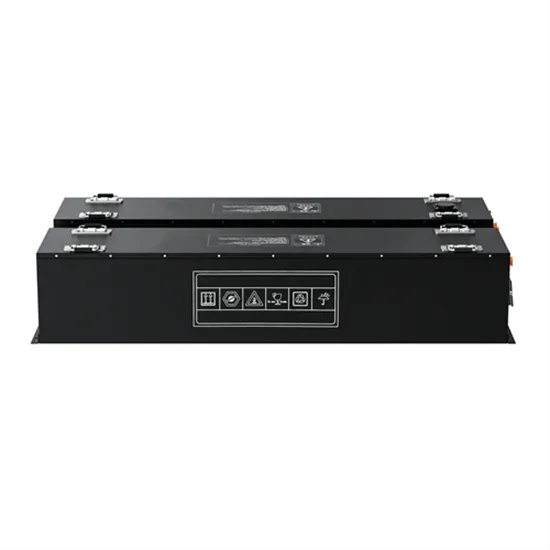
Advances in antireflection coatings on photovoltaic glass, enhancing efficiency and performance of solar panels through innovative materials and designs.
Get Started
Dec 8, 2024 · ABSTRACT The antireflection (AR) coating applied to solar glass in photovoltaic modules has remained largely unchanged for decades, despite its well-documented lack of
Get Started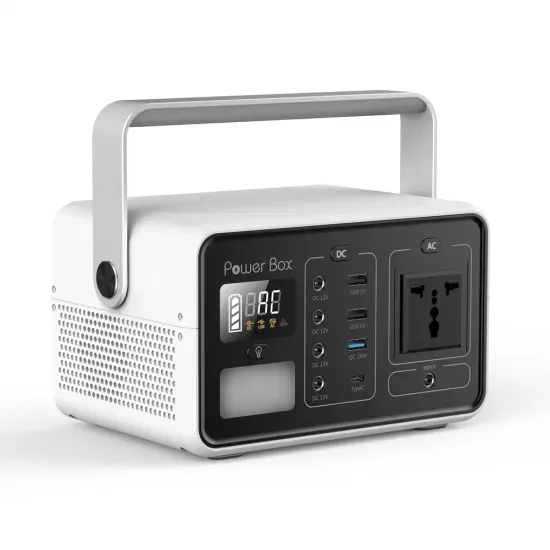
Oct 1, 2024 · The novelty of the proposed solution lies in the potential to utilize commercially available textured glass to achieve the intended outcome in the form of: high efficiency in PV
Get Started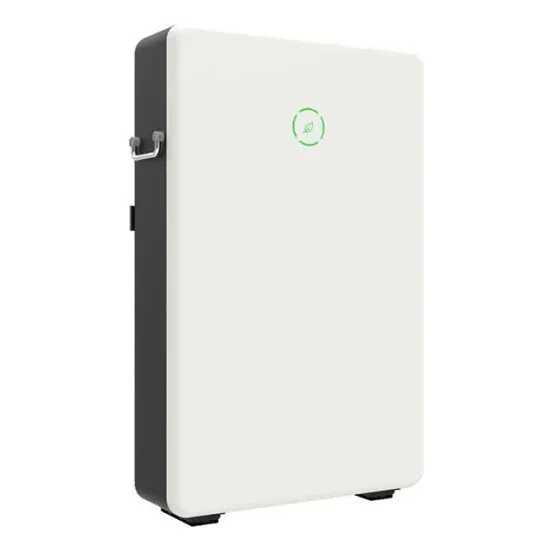
Sep 20, 2023 · In the approach presented here, we are working on different technologies to achieve structured glass surfaces that facilitate optical reflection and transmission engineering
Get Started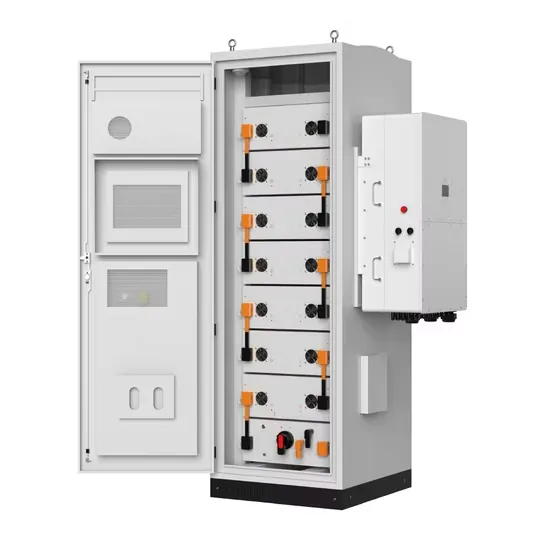
Jan 20, 2025 · Photovoltaic glass, a key component of photovoltaic modules, has its performance improvement crucial for enhancing the efficiency of
Get Started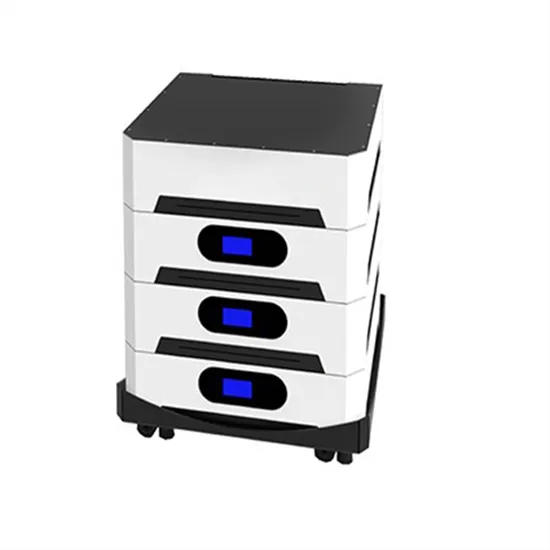
Jul 23, 2025 · The encapsulated glass used in solar photovoltaic modules (or custom solar panels), the current mainstream products are low-iron tempered embossed glass, the solar
Get Started
Apr 22, 2024 · Abstract Currently, single-layer antireflection coated (SLARC) solar glass has a dominant market share of 95% compared to glass with other
Get Started
Jan 9, 2025 · ized on the module. Broken solar module glass is an electrical safety hazard (may cause elec ric shock or fire). These modules cannot be repaired and should be r To reduce the
Get Started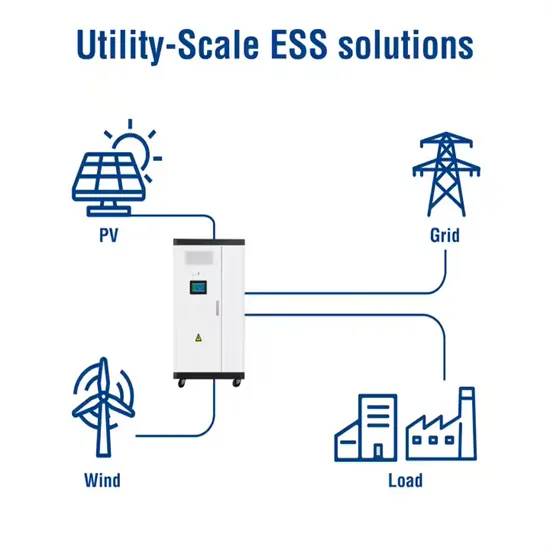
Solar Glass & Mirrors Glass is used in photovoltaic modules as layer of protection against the elements. In thin-film technology, glass also serves as the substrate upon which the
Get Started
Photovoltaic anti reflection coating glass is a cover glass applied to the surface of solar modules. Its main function is to ensure light transmission while protecting crystalline silicon cells from
Get Started
Jun 30, 2017 · Without antireflective coating, more than 4% of incident light is reflected from the standard front cover glass of photovoltaic (PV) modules. Module efficiency is one of the largest
Get Started
Oct 21, 2024 · Researchers from Poland have assessed how texturized glass used as the front cover of building-integrated photovoltaic panels affects
Get Started
Mar 1, 2016 · The performance of crystalline silicon photovoltaic module is mainly determined by the efficiency of silicon cells, but the performances of other components, such as the
Get Started
Jul 27, 2023 · In addition, dust deposition will also cause damage to the coating applied to the photovoltaic glass. Goossens and Van Kerschaever (1999) reported that the fine dust
Get Started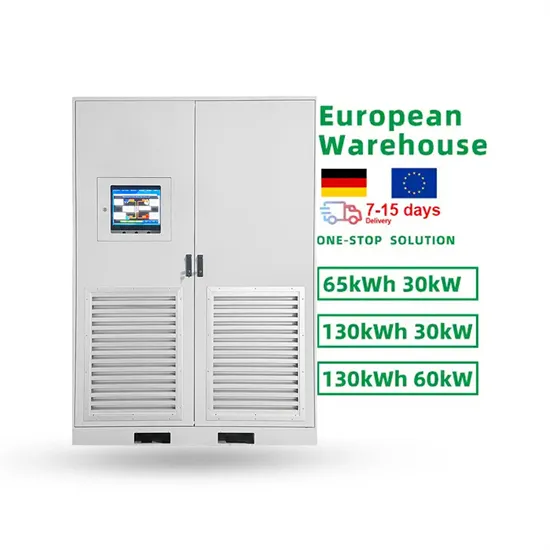
May 26, 2016 · In photovoltaic (PV) module, the cover glass surface reflects more than 4% of incident light across the spectrum which needs to be effectively utilized for energy conversion.
Get Started
Aug 14, 2025 · Abstract — Reflections and soiling of module cover glass attenuate the light entering a solar module, reducing power output. Here we introduce a new concept that
Get Started
Mar 27, 2025 · tocols and results for testing ARC glass for use in SunPower PV modules. More than three years of field data show that the energy gain from ARC glass significantly exceeds
Get Started
These reflection losses can be addressed by the use of anti-reflection (AR) coatings, and currently around 90% of commercial PV modules are supplied with an AR coating applied to the cover glass , . The widespread use of AR coatings is a relatively recent development.
PV modules experience reflection losses of ∼4% at the front glass surface. This loss can be mitigated by the use of anti-reflection coatings, which now cover over 90% of commercial modules.
Abstract: Without antireflective coating, more than 4% of incident light is reflected from the standard front cover glass of photovoltaic (PV) modules. Module efficiency is one of the largest levers to impact the cost-per-watt of solar and recovering some of this reflected light with a simple anti-reflective coating (ARC) has become widespread.
ABSTRACT The antireflection (AR) coating applied to solar glass in photovoltaic modules has remained largely unchanged for decades, despite its well-documented lack of durability. Traditional porou...
The antireflection (AR) coating applied to solar glass in photovoltaic modules has remained largely unchanged for decades, despite its well-documented lack of durability. Traditional porous structured single-layer AR coatings last as little as 5 years in the field.
These coatings are also hydrophilic with high surface energy and greater adhesion to soiling. Multilayer coatings consisting of alternate layers of dielectric metal oxides such as ZrO 2 and SiO 2 are highlighted as potential alternatives to porous SiO 2. The development of an abrasion standard for solar module coatings is also discussed.
 Slovakia crystalline silicon photovoltaic module glass
 Mongolia photovoltaic module glass
 Luxembourg monocrystalline photovoltaic module glass
Photovoltaic module factory glass
Luxembourg monocrystalline photovoltaic module glass
Photovoltaic module factory glass
 Which Dublin glass photovoltaic module is the best
 Mogadishu double glass photovoltaic module price
 Dushanbe single glass photovoltaic module solar panel
 Albanian thin film photovoltaic module glass
 Photovoltaic module glass types
 Crystalline silicon double glass transparent photovoltaic module
The global commercial and industrial solar energy storage battery market is experiencing unprecedented growth, with demand increasing by over 400% in the past three years. Large-scale battery storage solutions now account for approximately 45% of all new commercial solar installations worldwide. North America leads with 42% market share, driven by corporate sustainability goals and federal investment tax credits that reduce total system costs by 30-35%. Europe follows with 35% market share, where standardized industrial storage designs have cut installation timelines by 60% compared to custom solutions. Asia-Pacific represents the fastest-growing region at 50% CAGR, with manufacturing innovations reducing system prices by 20% annually. Emerging markets are adopting commercial storage for peak shaving and energy cost reduction, with typical payback periods of 3-6 years. Modern industrial installations now feature integrated systems with 50kWh to multi-megawatt capacity at costs below $500/kWh for complete energy solutions.
Technological advancements are dramatically improving solar energy storage battery performance while reducing costs for commercial applications. Next-generation battery management systems maintain optimal performance with 50% less energy loss, extending battery lifespan to 20+ years. Standardized plug-and-play designs have reduced installation costs from $1,000/kW to $550/kW since 2022. Smart integration features now allow industrial systems to operate as virtual power plants, increasing business savings by 40% through time-of-use optimization and grid services. Safety innovations including multi-stage protection and thermal management systems have reduced insurance premiums by 30% for commercial storage installations. New modular designs enable capacity expansion through simple battery additions at just $450/kWh for incremental storage. These innovations have improved ROI significantly, with commercial projects typically achieving payback in 4-7 years depending on local electricity rates and incentive programs. Recent pricing trends show standard industrial systems (50-100kWh) starting at $25,000 and premium systems (200-500kWh) from $100,000, with flexible financing options available for businesses.