
 Why are lithium-ion batteries difficult to charge at low-temperature?To learn more, view the following link: Privacy Policy Aiming at the issues of low available capacity and difficult charging of lithium-ion batteries (LIBs) at low-temperature, existing low-temperature charging methods are difficult to achieve fast charging due to the splitting of the fast preheating and charging processes.
Are low-temperature rechargeable batteries possible?Consequently, dendrite-free Li deposition was achieved, Li anodes were cycled in a stable manner over a wide temperature range, from −60 °C to 45 °C, and Li metal battery cells showed long cycle lives at −15 °C with a recharge time of 45 min. Our findings open up a promising avenue in the development of low-temperature rechargeable batteries.
Are rechargeable lithium-based batteries a good energy storage device?Rechargeable lithium-based batteries have become one of the most important energy storage devices 1, 2. The batteries function reliably at room temperature but display dramatically reduced energy, power, and cycle life at low temperatures (below −10 °C) 3, 4, 5, 6, 7, which limit the battery use in cold climates 8, 9.
What happens if you charge a battery outside the recommended temperature?Charging at extreme temperatures can cause permanent damage: Charging batteries outside their recommended temperature range can lead to issues like lithium plating, gas buildup, venting, or even case cracking, especially in lithium-ion and lead-acid chemistries.
Are rechargeable lithium-based batteries stable at low temperatures?Nature Energy 5, 534–542 (2020) Cite this article Stable operation of rechargeable lithium-based batteries at low temperatures is important for cold-climate applications, but is plagued by dendritic Li plating and unstable solid–electrolyte interphase (SEI).
Are libs safe in low-temperature charging?Moreover, the serious Li dendrites that grow on the surface of the anode during low-temperature charging can even cause safety issues such as thermal runaway. These dilemmas severely limit the practicality of LIBs in low temperatures [8, 12, 13, 14, 15, 16, 17, 18, 1
Why are lithium-ion batteries difficult to charge at low-temperature?To learn more, view the following link: Privacy Policy Aiming at the issues of low available capacity and difficult charging of lithium-ion batteries (LIBs) at low-temperature, existing low-temperature charging methods are difficult to achieve fast charging due to the splitting of the fast preheating and charging processes.
Are low-temperature rechargeable batteries possible?Consequently, dendrite-free Li deposition was achieved, Li anodes were cycled in a stable manner over a wide temperature range, from −60 °C to 45 °C, and Li metal battery cells showed long cycle lives at −15 °C with a recharge time of 45 min. Our findings open up a promising avenue in the development of low-temperature rechargeable batteries.
Are rechargeable lithium-based batteries a good energy storage device?Rechargeable lithium-based batteries have become one of the most important energy storage devices 1, 2. The batteries function reliably at room temperature but display dramatically reduced energy, power, and cycle life at low temperatures (below −10 °C) 3, 4, 5, 6, 7, which limit the battery use in cold climates 8, 9.
What happens if you charge a battery outside the recommended temperature?Charging at extreme temperatures can cause permanent damage: Charging batteries outside their recommended temperature range can lead to issues like lithium plating, gas buildup, venting, or even case cracking, especially in lithium-ion and lead-acid chemistries.
Are rechargeable lithium-based batteries stable at low temperatures?Nature Energy 5, 534–542 (2020) Cite this article Stable operation of rechargeable lithium-based batteries at low temperatures is important for cold-climate applications, but is plagued by dendritic Li plating and unstable solid–electrolyte interphase (SEI).
Are libs safe in low-temperature charging?Moreover, the serious Li dendrites that grow on the surface of the anode during low-temperature charging can even cause safety issues such as thermal runaway. These dilemmas severely limit the practicality of LIBs in low temperatures [8, 12, 13, 14, 15, 16, 17, 18, 1
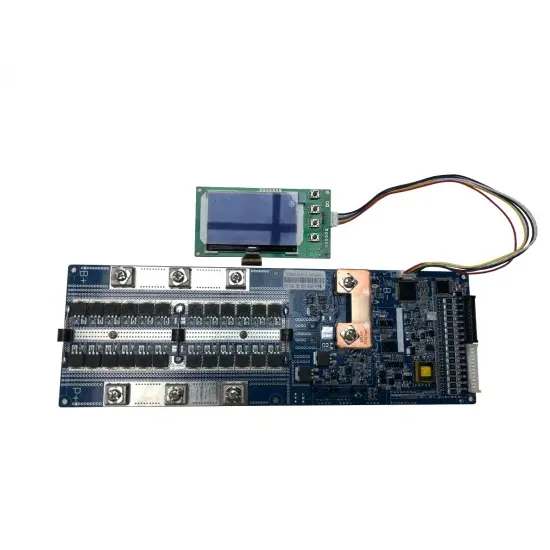
Feb 20, 2024 · Contemporary lithium battery technologies reduce the risk of damage from low-temperature charging by integrating temperature sensors
Get Started
Jun 7, 2022 · Finally, we propose an integrated electrode design strategy to improve low-temperature LIB performance. This review summarizes the state
Get Started
Jan 8, 2025 · Charging and discharging patterns significantly impact the lifespan of batteries, particularly those using lithium-ion technology. Here''s how these
Get Started
Mar 1, 2025 · Analyzed differences in low temp and contact loss capacitance reduction mechanisms. Explored how external pressure improved battery performance at low
Get Started
Jun 12, 2025 · Low-temperature charging of lithium batteries can cause lithium plating, reduced capacity, and safety risks. Pre-warming and specialized chargers are essential.
Get Started
May 6, 2024 · Lithium-ion batteries with fast-charging properties are urgently needed for wide adoption of electric vehicles. Here, the authors show a fast
Get Started
Feb 7, 2025 · Learn how lithium-ion batteries charge and discharge, key components, and best practices to extend lifespan. Discover safe charging
Get Started
May 6, 2025 · The integration of new materials, advanced manufacturing techniques, and intelligent control systems will further enhance the capabilities of these batteries. As the
Get Started
Aug 1, 2024 · In this work, the heat generation mechanism and thermal runaway characteristics of lithium-ion batteries after low-temperature and high-rate cyclic aging are introduced in detail,
Get Started
Jul 1, 2025 · The degradation of Lithium-ion batteries (LIBs) during cycling is particularly exacerbated at low temperatures, which has a significant impact on the longevity of electric
Get Started
Dec 19, 2024 · Conclusion Understanding the principles of charging and discharging is fundamental to appreciating the role of new energy storage
Get Started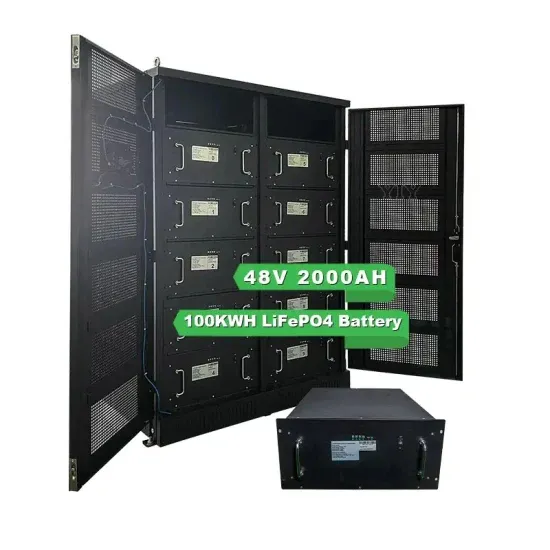
May 10, 2023 · It should set the voltage higher when the battery is charged at lower temperatures and a lower voltage when charging at higher
Get Started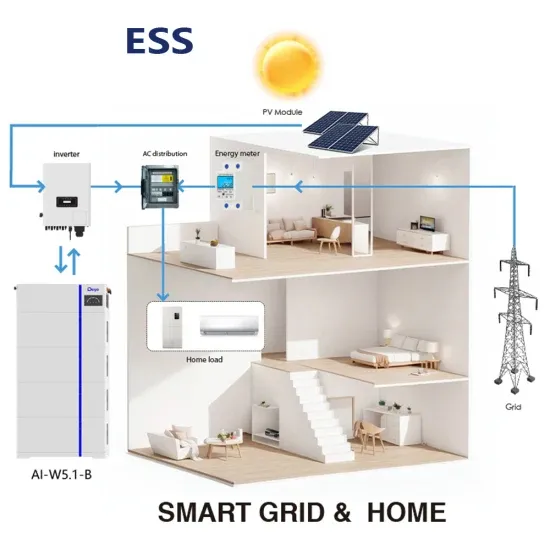
Aug 1, 2019 · Lithium-ion (Li+) batteries are widely used in portable electronics and vehicles. However, fast charging and discharging at room temperature and charg
Get Started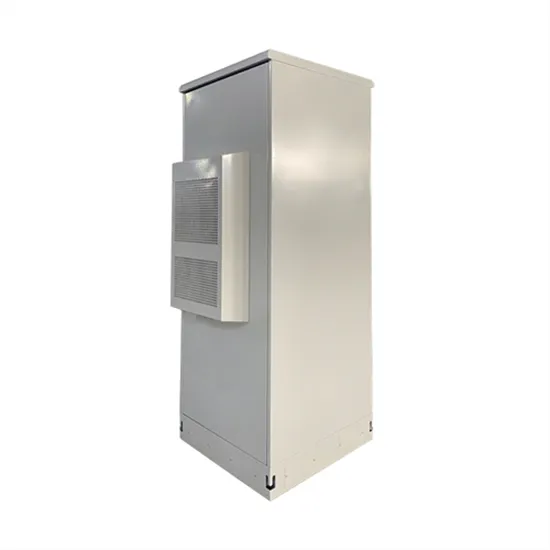
Nov 1, 2024 · On one hand, by using electrode materials with high conductivity and excellent low temperature performance, the polarization of the battery during charging and discharging can
Get Started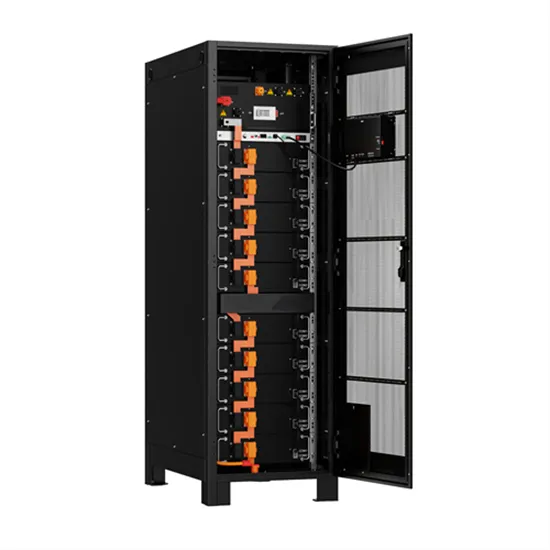
Lithium-ion batteries (LIBs) are at the forefront of energy storage and highly demanded in consumer electronics due to their high energy density, long
Get Started
Apr 28, 2025 · The performance of lithium-ion batteries (LIBs) is influenced by the coupled effects of environmental conditions and operational scenarios, which can impact their electrochemical
Get Started
Jun 7, 2022 · This review summarizes the state-of-art progress in electrode materials, separators, electrolytes, and charging/discharging performance for
Get Started
Dec 15, 2023 · Lithium-ion batteries have been widely used in electric vehicles [1] and consumer electronics, such as tablets and smartphones [2]. However, charging of lithium-ion batteries in
Get Started
A small amount of surface coating on the cathode can obviously improve the conductivity at low temperature, reduce the cell impedance, and inhibit side
Get Started
Oct 27, 2021 · The document also observes different discharge signatures and explores battery life under diverse loading patterns. The electrochemical
Get Started
Sep 1, 2022 · Conventional charging methods for lithium-ion battery (LIB) are challenged with vital problems at low temperatures: risk of lithium (Li) plating and low charging speed. This study
Get Started
High temperatures accelerate the aging process, while low temperatures reduce charging and discharging e ciency. Vibrations cause internal structural. damage, increasing the internal
Get Started
Mar 1, 2024 · Lithium-ion batteries (LIBs) have been the most common choice for electric and electric aircraft because of their high power, excellent cycle life, and outstanding storage
Get Started
Dec 1, 2024 · With the widespread application of lithium-ion batteries (LIBs) in the field of energy equipment, their probability of starting or operating in low-temperature environments is also
Get Started
Jan 15, 2021 · However, the current absorption thermal battery cycle suffers from high charging temperature, slow charging/discharging rate, low energy storage efficiency, or low energy
Get Started
3 days ago · The ability of a battery to hold and release electrical energy with the least amount of loss is known as its efficiency. It is expressed as a
Get Started
Nov 19, 2024 · Discover the optimal temperature limits for safe lithium-ion battery usage to enhance performance and extend battery life.
Get Started
Herein, the need for better, more effective energy storage devices such as batteries, supercapacitors, and bio-batteries is critically reviewed. Due to their
Get Started
Definition Key figures for battery storage systems provide important information about the technical properties of Battery Energy Storage Systems (BESS).
Get Started
Apr 24, 2025 · To fully realize the potential of low-temperature batteries for sustainable solar, wind, and tidal energy storage, practical proof-of-concept
Get Started
Jul 11, 2023 · By charging the battery with low-cost energy during periods of excess renewable generation and discharging during periods of high demand, BESS can both reduce renewable
Get Started
To learn more, view the following link: Privacy Policy Aiming at the issues of low available capacity and difficult charging of lithium-ion batteries (LIBs) at low-temperature, existing low-temperature charging methods are difficult to achieve fast charging due to the splitting of the fast preheating and charging processes.
Consequently, dendrite-free Li deposition was achieved, Li anodes were cycled in a stable manner over a wide temperature range, from −60 °C to 45 °C, and Li metal battery cells showed long cycle lives at −15 °C with a recharge time of 45 min. Our findings open up a promising avenue in the development of low-temperature rechargeable batteries.
Rechargeable lithium-based batteries have become one of the most important energy storage devices 1, 2. The batteries function reliably at room temperature but display dramatically reduced energy, power, and cycle life at low temperatures (below −10 °C) 3, 4, 5, 6, 7, which limit the battery use in cold climates 8, 9.
Charging at extreme temperatures can cause permanent damage: Charging batteries outside their recommended temperature range can lead to issues like lithium plating, gas buildup, venting, or even case cracking, especially in lithium-ion and lead-acid chemistries.
Nature Energy 5, 534–542 (2020) Cite this article Stable operation of rechargeable lithium-based batteries at low temperatures is important for cold-climate applications, but is plagued by dendritic Li plating and unstable solid–electrolyte interphase (SEI).
Moreover, the serious Li dendrites that grow on the surface of the anode during low-temperature charging can even cause safety issues such as thermal runaway. These dilemmas severely limit the practicality of LIBs in low temperatures [8, 12, 13, 14, 15, 16, 17, 18, 19].
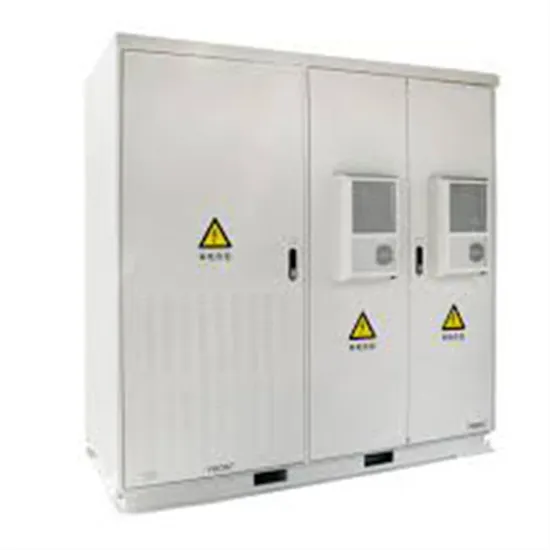 Tuvalu energy storage low temperature lithium battery
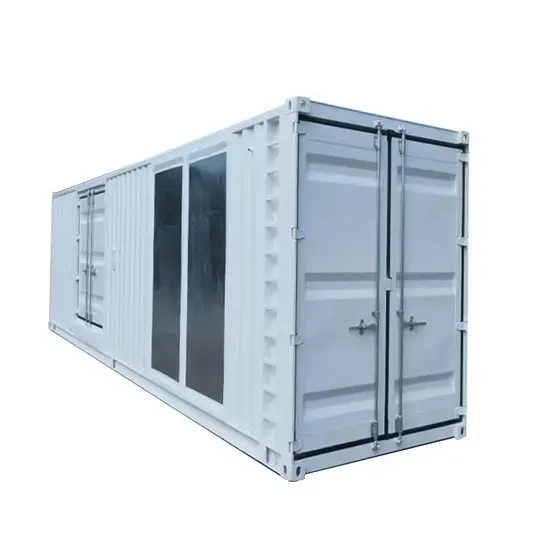 Jordan energy storage low temperature lithium battery factory
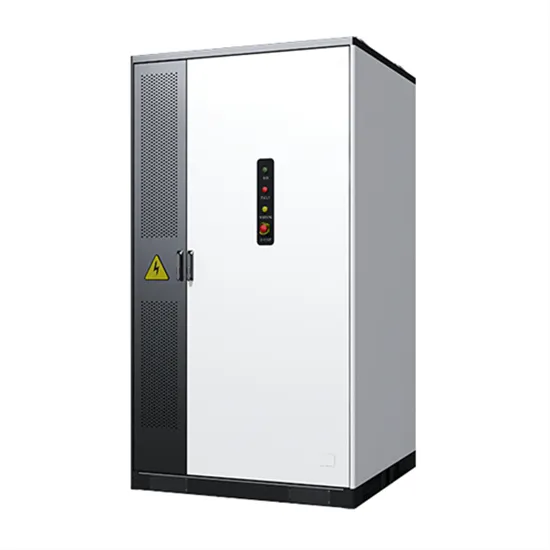 Argentina lithium battery pack low temperature charging and discharging
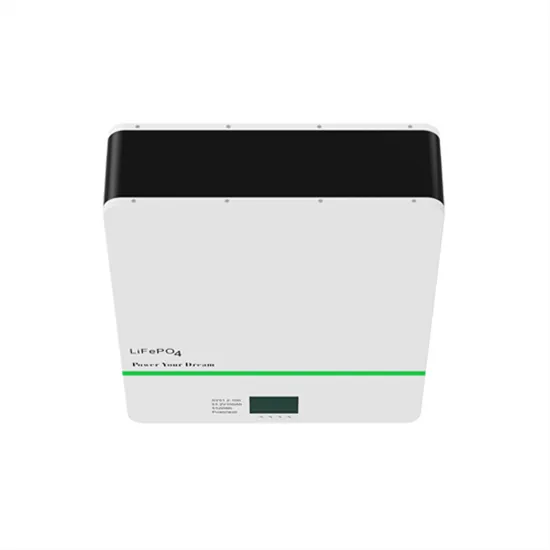 Ethiopia energy storage low temperature lithium battery factory
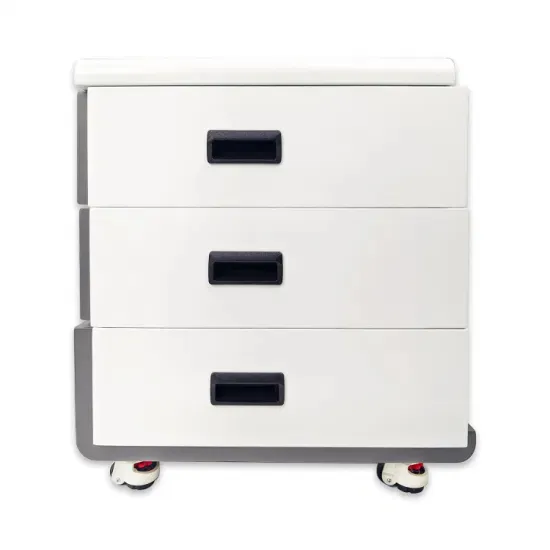 Lesotho energy storage low temperature lithium battery
 German energy storage low temperature lithium battery factory
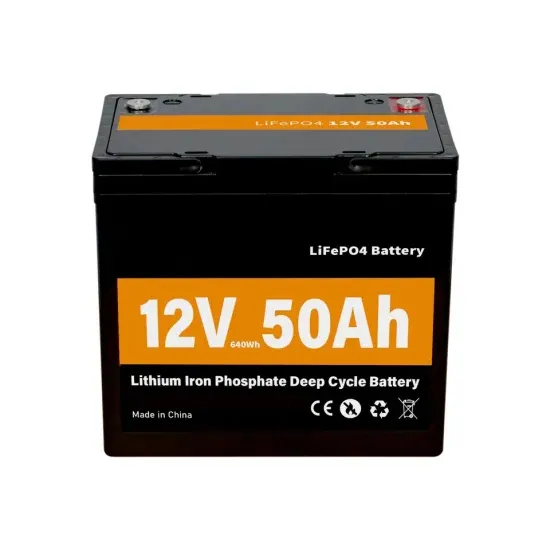 Battery energy storage power station charging and discharging efficiency
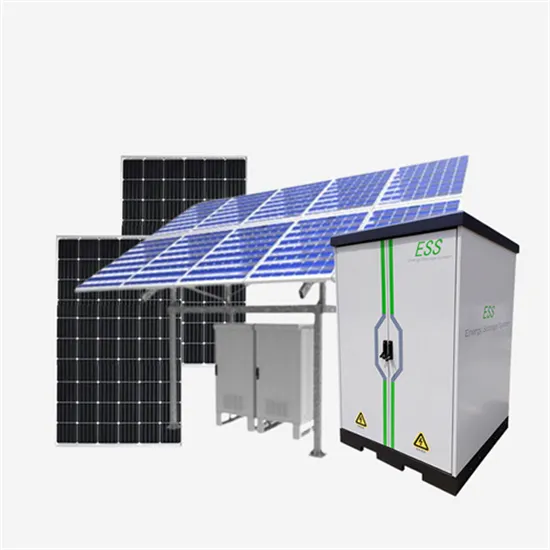 Charging and discharging of lithium battery energy storage cabinet
Energy storage cabinet site charging battery evaluation
Charging and discharging of lithium battery energy storage cabinet
Energy storage cabinet site charging battery evaluation
 100mw energy storage power station charging and discharging control
The global commercial and industrial solar energy storage battery market is experiencing unprecedented growth, with demand increasing by over 400% in the past three years. Large-scale battery storage solutions now account for approximately 45% of all new commercial solar installations worldwide. North America leads with 42% market share, driven by corporate sustainability goals and federal investment tax credits that reduce total system costs by 30-35%. Europe follows with 35% market share, where standardized industrial storage designs have cut installation timelines by 60% compared to custom solutions. Asia-Pacific represents the fastest-growing region at 50% CAGR, with manufacturing innovations reducing system prices by 20% annually. Emerging markets are adopting commercial storage for peak shaving and energy cost reduction, with typical payback periods of 3-6 years. Modern industrial installations now feature integrated systems with 50kWh to multi-megawatt capacity at costs below $500/kWh for complete energy solutions.
Technological advancements are dramatically improving solar energy storage battery performance while reducing costs for commercial applications. Next-generation battery management systems maintain optimal performance with 50% less energy loss, extending battery lifespan to 20+ years. Standardized plug-and-play designs have reduced installation costs from $1,000/kW to $550/kW since 2022. Smart integration features now allow industrial systems to operate as virtual power plants, increasing business savings by 40% through time-of-use optimization and grid services. Safety innovations including multi-stage protection and thermal management systems have reduced insurance premiums by 30% for commercial storage installations. New modular designs enable capacity expansion through simple battery additions at just $450/kWh for incremental storage. These innovations have improved ROI significantly, with commercial projects typically achieving payback in 4-7 years depending on local electricity rates and incentive programs. Recent pricing trends show standard industrial systems (50-100kWh) starting at $25,000 and premium systems (200-500kWh) from $100,000, with flexible financing options available for businesses.