
 What is a vibration-based energy harvesting device?Typical vibration-based energy harvesting devices, whether they make use of the piezoelectric effect, electrostatic or another mechanism, tend to optimally operate at frequencies greater than 100 Hz and so the main operating frequencies of some of the primary periodic mechanical motions of the human body are difficult to design for.
What is the structure frequency of a vibration-based energy harvesting device?Based on the generic spring–mass–damper model of vibration-based energy harvesting discussed in Section 2, in order to maximize the use of the energy harvesters for a particular application, the structure frequency of the energy harvesting device is designed to match the source frequency (ωstruc = ωs).
What are vibration-based energy harvesting mechanisms?We start by providing an overview of four vibration-based energy harvesting mechanisms, including piezoelectric, electromagnetic, electrostatic, and triboelectric energy harvesting. It is to be noted that frequency is most essential property of the vibration.
Why do vibration monitoring systems need a single device?Learn more. The ability to efficiently harvest energy while accurately sensing signals with a single device is a critical focus in self-powered vibration monitoring systems and an urgent requirement for the highly integrated development of the Internet of Things (IoT).
Can vibration-based energy-harvesting solve battery capacity limitations in wearable and implantable devices?Vibration-based energy-harvesting technology, as an alternative power source, represents one of the most promising solutions to the problem of battery capacity limitations in wearable and implantable electronics, in particular implantable biomedical devices.
What is vibrational energy?The human body has a wealth of vibrational energy available for harvesting, but most of it is in the form of low frequency vibrations, such as the beating of the heart, the cycle of air exchange in the lungs, or the human gait while walking or runni
What is a vibration-based energy harvesting device?Typical vibration-based energy harvesting devices, whether they make use of the piezoelectric effect, electrostatic or another mechanism, tend to optimally operate at frequencies greater than 100 Hz and so the main operating frequencies of some of the primary periodic mechanical motions of the human body are difficult to design for.
What is the structure frequency of a vibration-based energy harvesting device?Based on the generic spring–mass–damper model of vibration-based energy harvesting discussed in Section 2, in order to maximize the use of the energy harvesters for a particular application, the structure frequency of the energy harvesting device is designed to match the source frequency (ωstruc = ωs).
What are vibration-based energy harvesting mechanisms?We start by providing an overview of four vibration-based energy harvesting mechanisms, including piezoelectric, electromagnetic, electrostatic, and triboelectric energy harvesting. It is to be noted that frequency is most essential property of the vibration.
Why do vibration monitoring systems need a single device?Learn more. The ability to efficiently harvest energy while accurately sensing signals with a single device is a critical focus in self-powered vibration monitoring systems and an urgent requirement for the highly integrated development of the Internet of Things (IoT).
Can vibration-based energy-harvesting solve battery capacity limitations in wearable and implantable devices?Vibration-based energy-harvesting technology, as an alternative power source, represents one of the most promising solutions to the problem of battery capacity limitations in wearable and implantable electronics, in particular implantable biomedical devices.
What is vibrational energy?The human body has a wealth of vibrational energy available for harvesting, but most of it is in the form of low frequency vibrations, such as the beating of the heart, the cycle of air exchange in the lungs, or the human gait while walking or runni
Jul 1, 2017 · Vibration sources such as ocean waves and human motion are potentials providing mechanical energy that can be harvested for charging self-powered wireless sensors or
Get Started
Jan 18, 2018 · Vibration-based energy harvesting technologies are growing rapidly in recent years because of limitation by energy storage and wired
Get Started
Jan 13, 2021 · This study represents vibration based sound energy is harvested to charge mobile phones using six piezoelectric sound transducers (PSTs) which
Get Started
By Johan Pedersen Small wireless battery driven devices for monitoring purposes, such as in air conditioning systems, alarm systems and industrial
Get Started
Jun 23, 2022 · Vibration energy harvesting is a process by which ambient mechanical energy from environment or host structures is converted into usable energy (usually, but not always,
Get Started
It is shown that the developed energy storage device can collect effectively surrounding vibrations. What is more, the inherent frequency of the device can be expanded by adjusting
Get Started
Jun 2, 2021 · Inspired by shallow-water sloshing in a moving tank, a novel type of vibration-based piezoelectric energy harvesting device composed of a
Get Started
Vibration-based energy-harvesting technology, as an alternative power source, represents one of the most promising solutions to the problem of battery
Get Started
Dec 23, 2020 · Therefore, it is ideal to gain the energy for electronic devices from the environment in which they operate. Vibration-such as from human motions, machinery vibrations, vehicle
Get Started
Mar 1, 2022 · A series of feasibility studies, configuration designs, numerical simulations, laboratory experiments, and field tests have demonstrated, to some extent, the great prospect
Get Started
Feb 1, 2022 · Therefore, a new type of energy harvesting device, which can convert the random vibration energy of the environment to harmonic currents, is important to the micro-actuator''s
Get Started
Jun 2, 2021 · The results show that by modulating the water height, the resonant frequency and bandwidth can be adjusted, which can enhance the energy
Get Started
3 days ago · Stable energy to onboard sensing devices is essential to ensure the safe operation of rail transit systems. Herein, a hybrid piezoelectric–triboelectric nanogenerator (HPTG) is
Get Started
Oct 29, 2012 · Since the mechanical vibration of a piezoelectric element generates an alternating voltage across its electrodes, most of the proposed electrical circuits include an AC–DC
Get Started
Vibration energy storage devices act like energy scavengers, turning everyday shakes into usable power. A 2023 IDTechEx report shows the market for such devices growing 17% annually –
Get Started
Oct 1, 2013 · According to the difficult replacement and poor endurance of the battery for wireless sensor network nodes, a micro piezoelectric vibration
Get Started
Oct 1, 2013 · Abstract According to the difficult replacement and poor endurance of the battery for wireless sensor network nodes, a micro piezoelectric vibration energy storage device was
Get Started
Jun 21, 2023 · Researchers have developed a device that turns environmental vibrations into electricity using piezoelectric composites and carbon fiber
Get Started
Jul 15, 2022 · The energy conversion module includes generators and energy storage devices. The wheel-rail coupled vibration is transformed into mechanical reciprocating rotation via the
Get Started
Jan 1, 2021 · Vibration energy capture devices can convert the mechanical energy from ambient source into electrical energy. The captured electrical
Get Started
Oct 20, 2024 · Detailed analysis of vibration frequency, direction, and their impact on heat transfer dynamics offers new insights for optimizing thermal storage devices, paving the way for
Get Started
Jun 5, 2019 · The hotspot of future research is the technology of MEMS (Micro-Electro-Mechanical Systems) components. In rechargeable battery compatible chip (thin film lithiu.
Get Started
Mar 1, 2022 · This article presents the design, modeling and testing of a novel vibration absorption device with energy harvest based on compliant mechanism and piezoelectric stack. The
Get Started
Mar 2, 2022 · Energy harvesting is the method of extraction of electrical energy from ambient sources. The sources such as heat, light and vibration possess a great amount of energy to
Get Started
Sep 7, 2024 · Enhanced thermal storage properties of phase change materials by means of heat source vibration • Asymmetric eddy currents can enhance the
Get Started
Oct 1, 2013 · A micro piezoelectric vibration energy storage device was developed. The electric generating performance of the device was tested on a self-made experimental system. The
Get Started
Feb 9, 2025 · In this work, we designed a self-driven vibration energy harvesting and sensing triboelectric nanogenerator (SE-TENG). The system consists of a vibration-sensing
Get Started
Sep 7, 2017 · The key technologies behind portable and wearable devices, including the central processing unit, the random-access memory, and the hard disk drive, have experienced rapid
Get Started
PDF | On Dec 22, 2024, Tareq Aziz published Energy harvesting from vibration using piezoelectric material | Find, read and cite all the research you need on ResearchGate
Get Started
The proposed design can continuously convert mechanical into electrical energy for direct discharge or accumulation and storage of electrical energy. We propose a liquid vibration
Get Started
Feb 15, 2025 · This study introduces a novel phase change material (PCM)-based solar energy storage system integrating Tesla valve-inspired eddy current structures and mechanical
Get Started
According to the difficult replacement and poor endurance of the battery for wireless sensor network nodes, a micro piezoelectric vibration energy storage
Get Started
Oct 1, 2023 · An onboard control strategy is proposed to enhance harvester power by up to 60%. Large-scale vibration energy harvesters (VEHs) have the potential to produce power of tens of
Get Started
Sep 1, 2023 · Connect the output end of the vibration energy harvesting device to the electric energy storage circuit, and adjust the frequency of the signal generator to 15.5Hz, and
Get Started
Jan 3, 2025 · Download Citation | An integrated vibration energy harvesting-storage-injection system based on piezoelectric bistable | Efficiently capturing energy from environmental
Get Started
ROTOR POSITION AND VIBRATION CONTROL FOR AEROSPACE FLYWHEEL ENERGY STORAGE DEVICES AND OTHER VIBRATION BASED DEVICES B.X.S. ALEXANDER
Get Started
Typical vibration-based energy harvesting devices, whether they make use of the piezoelectric effect, electrostatic or another mechanism, tend to optimally operate at frequencies greater than 100 Hz and so the main operating frequencies of some of the primary periodic mechanical motions of the human body are difficult to design for.
Based on the generic spring–mass–damper model of vibration-based energy harvesting discussed in Section 2, in order to maximize the use of the energy harvesters for a particular application, the structure frequency of the energy harvesting device is designed to match the source frequency (ωstruc = ωs).
We start by providing an overview of four vibration-based energy harvesting mechanisms, including piezoelectric, electromagnetic, electrostatic, and triboelectric energy harvesting. It is to be noted that frequency is most essential property of the vibration.
Learn more. The ability to efficiently harvest energy while accurately sensing signals with a single device is a critical focus in self-powered vibration monitoring systems and an urgent requirement for the highly integrated development of the Internet of Things (IoT).
Vibration-based energy-harvesting technology, as an alternative power source, represents one of the most promising solutions to the problem of battery capacity limitations in wearable and implantable electronics, in particular implantable biomedical devices.
The human body has a wealth of vibrational energy available for harvesting, but most of it is in the form of low frequency vibrations, such as the beating of the heart, the cycle of air exchange in the lungs, or the human gait while walking or running.
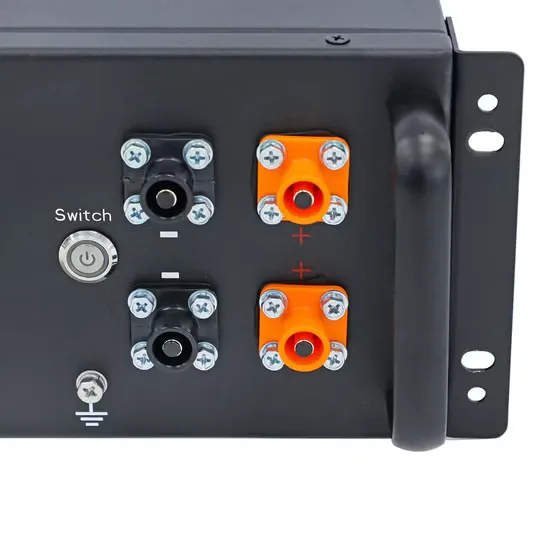 Damascus Energy Storage Device
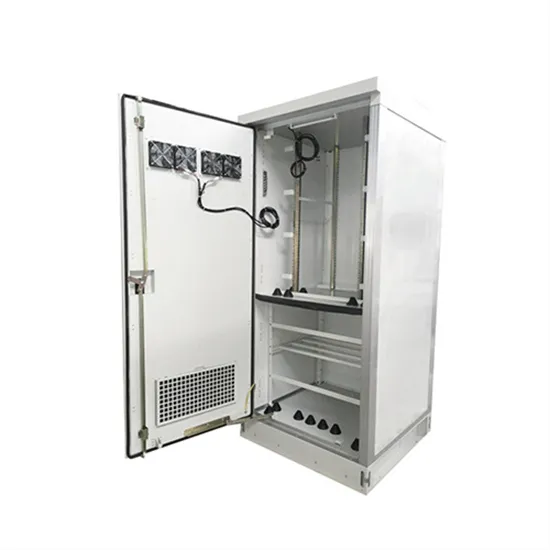 Bidirectional inverter for energy storage device
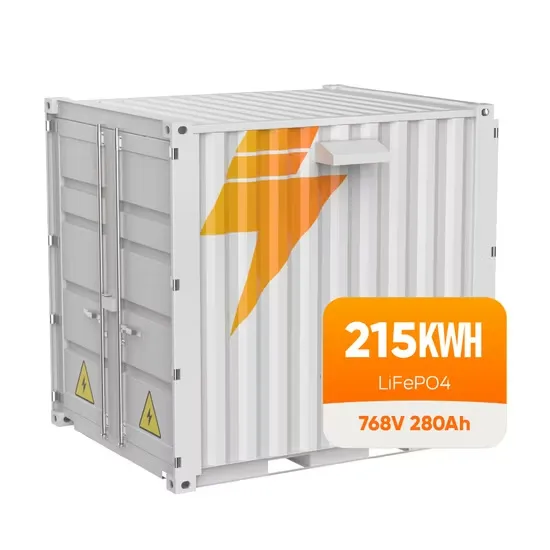 Energy storage device for wind energy conversion
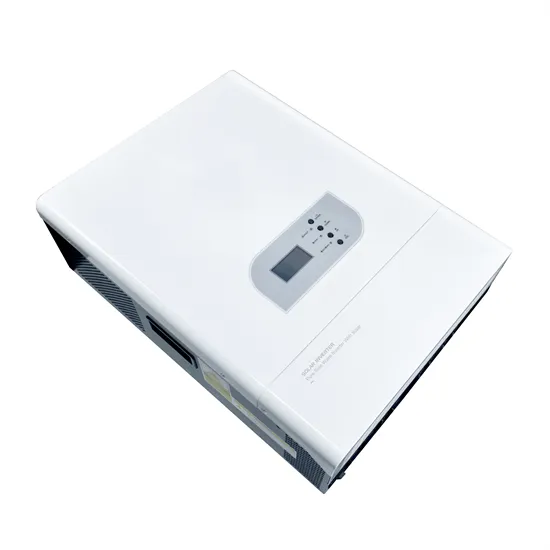 Simple energy storage device
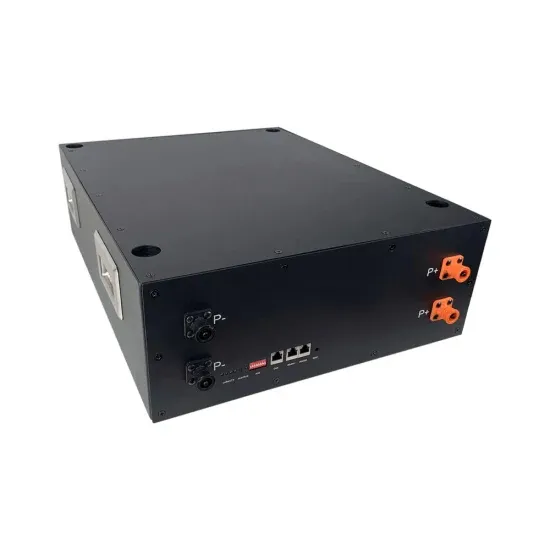 The first energy storage device
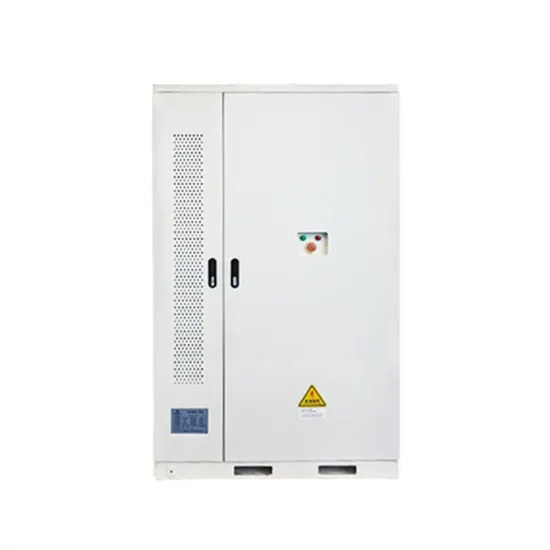 Stockholm coal-to-electricity energy storage device manufacturer
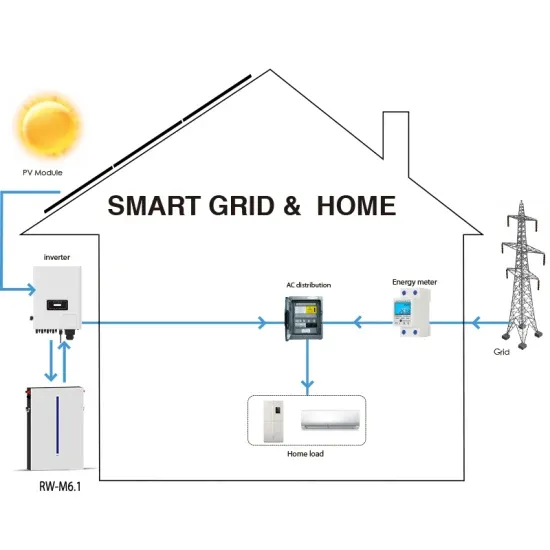 Bhutan Office Building Energy Storage Device Company
 Mogadishu user-side energy storage device
 Lilongwe Home Energy Storage Device
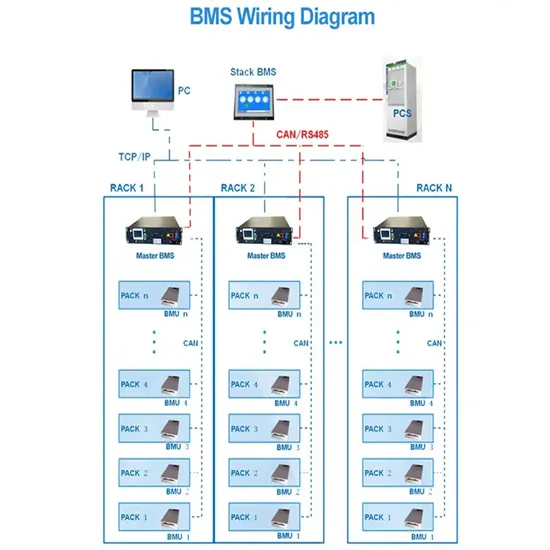 Charging pile energy storage device
The global commercial and industrial solar energy storage battery market is experiencing unprecedented growth, with demand increasing by over 400% in the past three years. Large-scale battery storage solutions now account for approximately 45% of all new commercial solar installations worldwide. North America leads with 42% market share, driven by corporate sustainability goals and federal investment tax credits that reduce total system costs by 30-35%. Europe follows with 35% market share, where standardized industrial storage designs have cut installation timelines by 60% compared to custom solutions. Asia-Pacific represents the fastest-growing region at 50% CAGR, with manufacturing innovations reducing system prices by 20% annually. Emerging markets are adopting commercial storage for peak shaving and energy cost reduction, with typical payback periods of 3-6 years. Modern industrial installations now feature integrated systems with 50kWh to multi-megawatt capacity at costs below $500/kWh for complete energy solutions.
Technological advancements are dramatically improving solar energy storage battery performance while reducing costs for commercial applications. Next-generation battery management systems maintain optimal performance with 50% less energy loss, extending battery lifespan to 20+ years. Standardized plug-and-play designs have reduced installation costs from $1,000/kW to $550/kW since 2022. Smart integration features now allow industrial systems to operate as virtual power plants, increasing business savings by 40% through time-of-use optimization and grid services. Safety innovations including multi-stage protection and thermal management systems have reduced insurance premiums by 30% for commercial storage installations. New modular designs enable capacity expansion through simple battery additions at just $450/kWh for incremental storage. These innovations have improved ROI significantly, with commercial projects typically achieving payback in 4-7 years depending on local electricity rates and incentive programs. Recent pricing trends show standard industrial systems (50-100kWh) starting at $25,000 and premium systems (200-500kWh) from $100,000, with flexible financing options available for businesses.